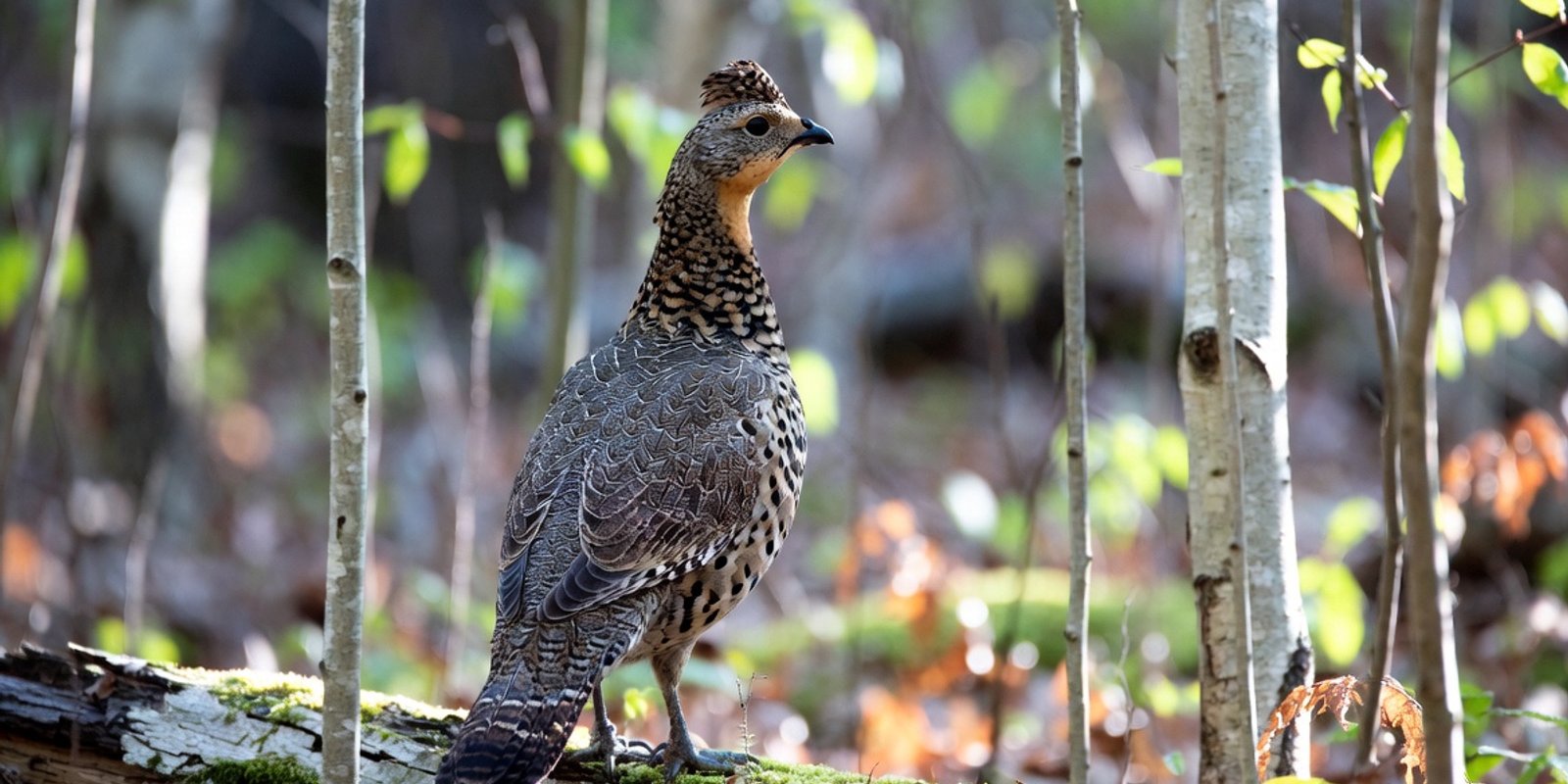

What Is the Pennsylvania State Bird?
The Ruffed Grouse (Bonasa umbellus) has been Pennsylvania's official state bird since 1931. Often called the "king of gamebirds," this elusive woodland bird was chosen because of its presence throughout Pennsylvania's forests and its historical importance to early settlers who relied on it for food.
If you've spent time hiking through Pennsylvania's wooded areas, you may have experienced the heart-stopping moment when a grouse explodes from the underbrush in a thunderous burst of wingbeats. That explosive flush is one of the most memorable wildlife encounters in our state—and once you've experienced it, you'll never forget it.
Ruffed Grouse Identification
Ruffed grouse are medium-sized birds that blend remarkably well with the forest floor. Identifying one takes a keen eye, as their camouflage is among the best in the bird world.
Physical characteristics:
- Size: 15.5 to 19 inches long
- Weight: About 1.5 pounds
- Wingspan: 22 to 25 inches
- Plumage: Rich brown with white and black markings above, white undersides with horizontal dark brown barring
- Distinctive feature: A ruff of iridescent black feathers encircling the neck (most visible during courtship displays)
Two Color Phases
Ruffed grouse come in two distinct color variations:
- Gray phase: Gray tails and overall cooler tones
- Cinnamon phase: Rust-colored feathers with chestnut ruffs and tail bands
Both color phases can be found throughout Pennsylvania, though gray-phase birds are more common in northern regions.
Male vs. Female Differences
Telling males from females takes careful observation:
| Feature | Male (Drummer) | Female (Hen) |
|---|---|---|
| Weight | Slightly heavier | Lighter |
| Ruff | Larger, more prominent | Smaller |
| Tail band | Continuous black band | Broken or grainy center |
| Tail length | Longer | Shorter |
The Famous Drumming Sound
One of the most distinctive sounds in Pennsylvania's spring woods is the drumming of a male ruffed grouse. If you've heard a distant "thump... thump... thump-thump-thump-thump" that accelerates into a blurred whir, you've heard a drumming grouse.
How drumming works: The male stands on a prominent log (called a drumming log) with his tail fanned out. He then beats his wings rapidly against the air, creating a vacuum that produces deep, resonant thumps. The sound can carry up to a quarter mile through the forest.
When to hear it: Drumming peaks during March and April mating season, though males may drum year-round to establish territory. Early morning is the best time to listen.
What it looks like: During the full courtship display, males fan their tails, erect their ruffs to encircle their heads, hiss, and drag their wingtips along the ground. It's an impressive sight if you're lucky enough to witness it.
Ruffed Grouse Habitat in Pennsylvania
Unlike many birds that visit backyard feeders, ruffed grouse are true forest dwellers. Understanding their habitat preferences helps explain why you might not see them in your backyard—and where you should look instead.
Preferred Habitat
Ruffed grouse thrive in:
- Young forests less than 20 years old
- Brushy conditions with dense understory
- Mixed woodlands rich in aspen, birch, and cherry
- Forest edges where different age classes meet
They avoid mature forests with open understories. Without dense cover, grouse become easy targets for predators like hawks, owls, and foxes.
Home Range
In quality habitat, ruffed grouse rarely travel more than a few hundred yards in a day. They're year-round Pennsylvania residents and don't migrate. However, poor habitat conditions force them to range farther in search of food, which increases their risk of predation.
What Do Ruffed Grouse Eat?
Ruffed grouse are omnivores with a diet that changes dramatically by season.
Seasonal Diet
Spring & Summer:
- Insects (important protein for growing chicks)
- Blackberries and blueberries
- Fresh leaves and greens
- Clover and other plants
Fall:
- Acorns and beechnuts
- Cherries, grapes, and crabapples
- Hawthorn and dogwood fruits
- Seeds
Winter:
- Tree buds (aspen, birch, beech, maple, cherry, apple)
- Catkins (flower clusters on birch and alder)
- Evergreen vegetation
- Ferns when accessible
During harsh Pennsylvania winters when snow covers the ground, grouse become almost exclusively "flower-eaters," surviving on dormant tree buds. This is why young forests with abundant aspen and birch are so critical to their survival.
Ruffed Grouse Life Cycle
Nesting
Female grouse select secluded nest sites—typically a leaf-lined depression at the base of a tree, beside a log, or in dense brush. They lay 6 to 16 buff or white eggs and incubate them for about 24 days.
Chick Development
Grouse chicks are precocial, meaning they can walk and feed themselves shortly after hatching. They grow rapidly:
- First few days: Follow mother, learning to find insects and seeds
- 3 weeks: Can fly short distances
- Fall: Resemble adult birds
Survival Rates
Life is tough for ruffed grouse. More than three-quarters of all chicks die within 35 days of hatching, falling prey to predators, weather, and disease. Adult annual survival averages about 50%, with few birds living beyond two years.
The "Crazy Flight" Phenomenon
Young grouse go through a peculiar period in fall called the "fall shuffle" or "crazy flight." During this time, juveniles disperse from their hatching area and may fly erratically, sometimes crashing into windows, vehicles, or other obstacles. If you see a grouse acting strangely in autumn, this natural dispersal behavior is likely the cause.
Ruffed Grouse Conservation in Pennsylvania
Pennsylvania's ruffed grouse populations have declined significantly—up to 70% since the early 1960s. This decline has multiple causes, and conservation efforts are underway to reverse it.
Threats to Grouse
West Nile Virus: This mosquito-borne disease has heavily impacted Pennsylvania grouse, especially in southern regions. Research shows that grouse populations recover more quickly in areas with high-quality habitat.
Habitat Loss: As Pennsylvania's forests mature, they become less suitable for grouse. Young forests (less than 20 years old) provide the dense cover and abundant food grouse need. Mature forests with open understories leave them vulnerable.
Other Factors:
- Winter food scarcity
- Cold, wet springs that reduce breeding success
- Predation
- Parasites and diseases
Conservation Efforts
The Pennsylvania Game Commission has implemented several programs:
Habitat Management: The Commission actively manages tens of thousands of acres to create young forest habitat. In fiscal year 2021 alone, foresters completed over 23,500 acres of timber harvest—creating the brushy conditions grouse need.
Hunting Season Adjustments: Late-season hunting has been closed since 2017 to protect the breeding population.
Research Programs: Ongoing studies track West Nile Virus prevalence, population dynamics, and the effectiveness of management strategies.
Good News: Some grouse survive West Nile Virus infection and likely develop lifetime immunity, making these survivors valuable breeding stock for population recovery.
Where to See Ruffed Grouse in Pennsylvania
Spotting a ruffed grouse takes patience and luck, but knowing where to look improves your odds.
Best Locations
- State Game Lands with active habitat management
- Young forest areas (look for recent timber harvests)
- State forests in northern Pennsylvania
- Brushy areas along forest roads and trails
- Areas with abundant aspen and birch
Tips for Spotting Grouse
- Walk slowly and quietly along forest edges and trails
- Listen for drumming in spring (March-April)
- Watch the ground—grouse spend most of their time walking rather than flying
- Look near fruiting shrubs in fall
- Check drumming logs—large fallen logs in forest openings
- Be prepared for the flush—grouse often sit tight until you're very close, then burst into flight
Birding Equipment
A good pair of binoculars helps you spot grouse before they flush. For Pennsylvania birding, consider:
- CronyOptics 8x42 Binoculars - Waterproof and lightweight, ideal for forest birding where quick focusing matters.
A Pennsylvania-specific field guide is also valuable:
- Birds of Pennsylvania Field Guide by Stan Tekiela - Covers 123 Pennsylvania species organized by color for easy identification.
Can You Attract Ruffed Grouse to Your Yard?
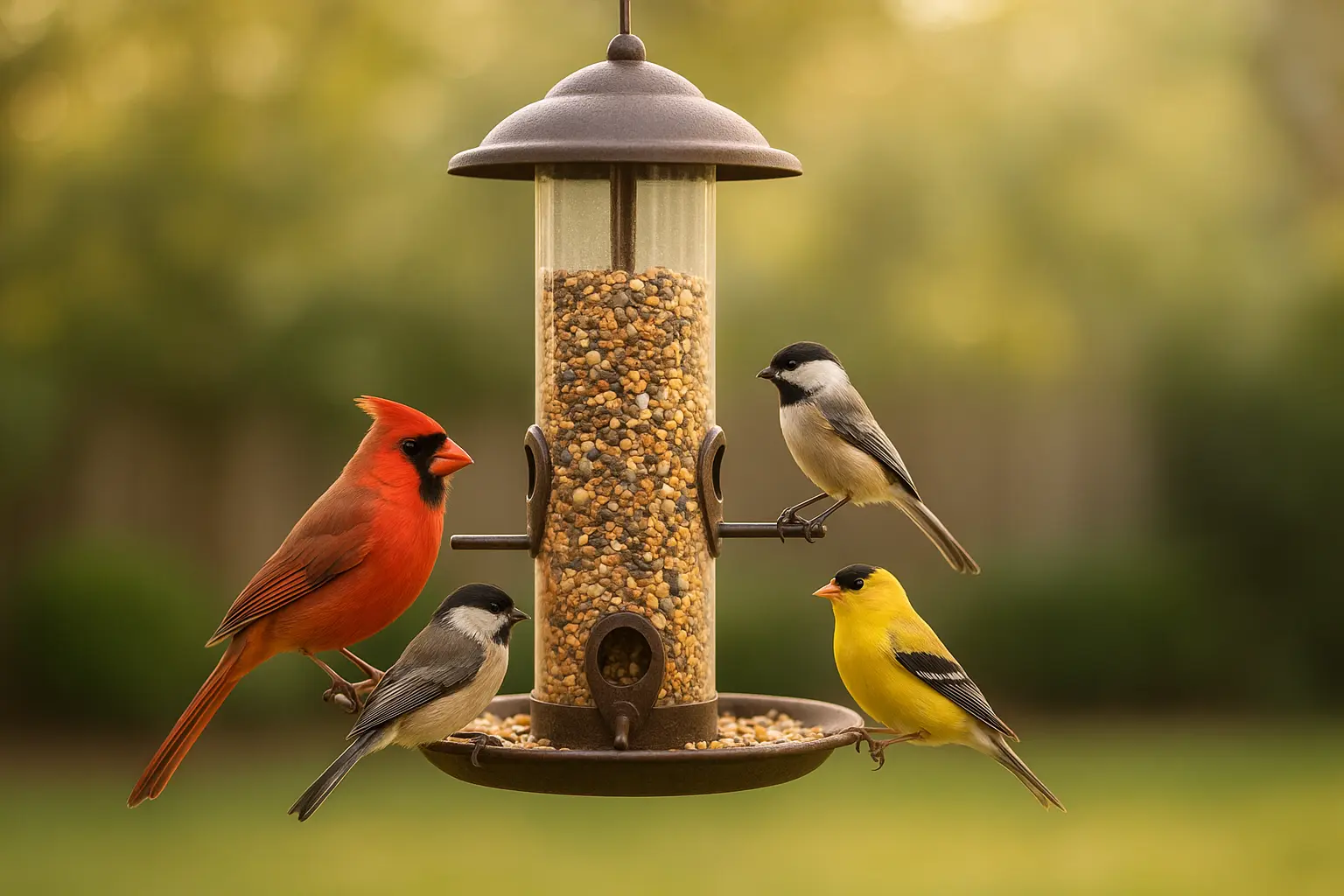
Unlike cardinals, chickadees, and other common feeder birds, ruffed grouse rarely visit suburban backyards. They're creatures of the forest and require large areas of suitable habitat to thrive.
However, if you live adjacent to wooded areas with young forest habitat, you might occasionally see grouse in your yard, especially during:
- Fall dispersal (young birds seeking new territory)
- Harsh winters (birds searching for food)
- Early spring (males drumming on any available log)
Ground Feeding Options
If you do have grouse visiting your property, they'll feed on the ground rather than at hanging feeders. Consider:
Woodlink 3-in-1 Platform Feeder - Can be placed on the ground for large ground-feeding birds. Handcrafted from natural cedar.
DutchCrafters Extra Large Ground Feeder - Covered design protects seed from rain. Attracts ground-feeding birds and can hold several pounds of seed.
Offer cracked corn, sunflower seeds, or mixed seeds scattered on the ground near cover. Grouse prefer to feed where they can quickly escape to dense brush if threatened.
Interesting Ruffed Grouse Facts
- Speed: Grouse fly at 20 to 35 mph in short bursts before locking their wings and gliding
- Walking birds: Despite their explosive flight, grouse walk far more than they fly and rarely travel more than 100 yards in the air
- Winter feet: Grouse grow comb-like fringes along their toe edges in winter, acting like snowshoes for better grip on snow and ice
- Cold weather survival: In deep snow, grouse may dive into snowbanks to stay warm, using the insulating properties of snow to survive bitter cold nights
- Historical importance: Early Pennsylvania settlers relied heavily on grouse for food, which is why it was chosen as the state bird
Frequently Asked Questions
Why is the Ruffed Grouse Pennsylvania's state bird?
Pennsylvania designated the ruffed grouse as its state bird in 1931 because of its widespread presence in the state's forests and its historical importance to early settlers who depended on it for food.
What sound does a ruffed grouse make?
The most distinctive sound is the male's "drumming"—a deep, accelerating thumping created by beating wings against the air. It sounds like a distant motor starting up. Grouse also make clucking calls and alarm sounds.
Are ruffed grouse endangered in Pennsylvania?
Ruffed grouse are not currently endangered, but populations have declined significantly (up to 70% since the 1960s). They're still hunted in Pennsylvania, though seasons have been shortened to protect breeding populations.
What's the difference between a ruffed grouse and a pheasant?
Ruffed grouse are native Pennsylvania birds that live in forests. Ring-necked pheasants are introduced birds that prefer agricultural areas and grasslands. Grouse are smaller, better camouflaged, and have the distinctive neck ruff that pheasants lack.
Can I keep a ruffed grouse as a pet?
No. Ruffed grouse are wild birds protected by state and federal regulations. They're also extremely difficult to keep in captivity and do not adapt well to confinement.
Conclusion
The ruffed grouse is a worthy symbol for Pennsylvania—a bird perfectly adapted to our state's forests, with a fascinating life history and one of the most memorable sounds in nature. While you might not see one at your backyard feeder, understanding and appreciating our state bird connects us to Pennsylvania's wild heritage.
If you want to see a ruffed grouse, head to Pennsylvania's state game lands or northern forests in spring, walk quietly along trails through young forest habitat, and listen for that distinctive drumming. With patience and luck, you might just glimpse the king of gamebirds.
For those of us who feed birds at home, we can support all of Pennsylvania's birds—including the many species that share habitat with grouse—by providing quality black oil sunflower seeds and maintaining bird-friendly yards.