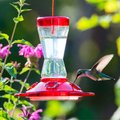
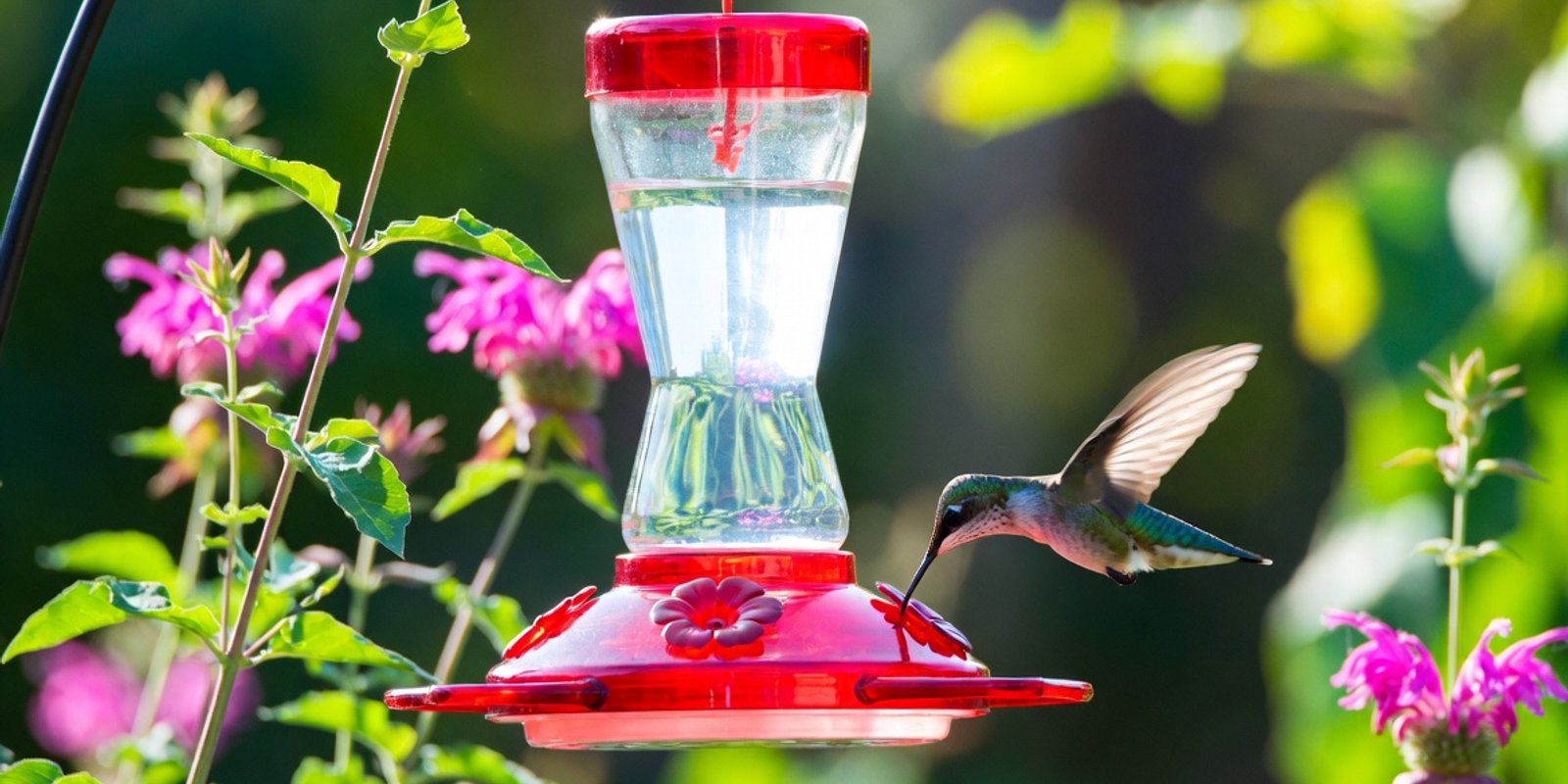

The Only Hummingbird Food Recipe You Need
Making hummingbird food at home is one of the easiest things you can do for your backyard birds. It takes less than five minutes, costs pennies, and is actually safer than most store-bought options. Best of all, homemade hummingbird nectar closely mimics what these tiny birds find in nature—simple sugar water without artificial dyes or additives.
In this guide, you'll learn the exact hummingbird food recipe that ornithologists recommend, the common mistakes that can harm hummingbirds, and how to keep your nectar fresh so these amazing birds keep coming back.
The Perfect Hummingbird Nectar Recipe
Here's the tried-and-true recipe recommended by the Smithsonian, Cornell Lab of Ornithology, and Audubon Society:
Ingredients
- 1 cup white granulated sugar
- 4 cups water
Instructions
- Bring water to a boil
- Remove from heat and add sugar
- Stir until completely dissolved
- Let cool to room temperature
- Fill your clean feeder
- Store extra in the refrigerator (up to 2 weeks)
Yield: About 5 cups—enough to fill most feeders with extra to store.
That's it. No red dye, no special ingredients, no complicated steps.
Why the 4:1 Water to Sugar Ratio Works
The 4:1 ratio (four parts water to one part sugar) creates a solution that's approximately 20% sugar—almost identical to the nectar concentration found in the wildflowers hummingbirds naturally feed on.
This ratio matters:
- Too weak (more water) = Hummingbirds don't get enough calories and may abandon your feeder
- Too strong (more sugar) = Can damage their liver and kidneys over time
- Just right (4:1) = Provides the energy they need without health risks
Cold Weather Ratio Adjustment
During spring migration or cold snaps, you can mix a slightly stronger 3:1 ratio (1 cup sugar to 3 cups water). This provides extra calories when hummingbirds need energy most and has the added benefit of a lower freezing point for those chilly early spring mornings.
What NOT to Use: Common Hummingbird Food Mistakes
Knowing what to avoid is just as important as knowing the recipe. These common mistakes can seriously harm hummingbirds.
Never Use Red Dye
This is the most important rule. Red dye is completely unnecessary—and potentially harmful.
Why red dye is a problem:
- Natural flower nectar is clear, not red
- Your feeder's red color is enough to attract hummingbirds
- Red Dye #40 is petroleum-based
- Hummingbirds consume proportionally far more dye than safety tests account for
- The dye provides zero benefit to the birds
Safe alternatives to attract hummingbirds:
- Use a red feeder (most are designed with red parts)
- Tie a red ribbon near your feeder
- Plant red flowers like bee balm, cardinal flower, or salvia
Wrong Sugars to Avoid
| Sugar Type | Why It's Harmful |
|---|---|
| Honey | Ferments rapidly, promotes fatal fungal infections |
| Brown sugar | Contains iron-rich molite (toxic to hummingbirds) |
| Raw/organic sugar | Contains iron and impurities birds can't process |
| Powdered sugar | Contains cornstarch that can harm birds |
| Artificial sweeteners | Zero calories—hummingbirds will starve |
Only use: Plain white granulated cane sugar. It's the closest match to natural flower nectar.
Water Mistakes to Avoid
- Heavily chlorinated tap water can be harmful (boiling helps remove chlorine)
- Distilled water lacks beneficial minerals
- Softened water contains too much sodium
Best options: Filtered water, spring water, or tap water that's been boiled and cooled.
How Often to Change Hummingbird Nectar
Fresh nectar is critical. Spoiled sugar water can cause fatal infections in hummingbirds, so this schedule isn't optional—it's essential.
| Temperature | Change Nectar |
|---|---|
| Hot (80°F+) | Every 1-2 days |
| Warm (70-80°F) | Every 3-4 days |
| Cool (60-70°F) | Every 5-6 days |
| Cold (below 60°F) | Weekly |
During Central PA summers, you'll likely need to change nectar every other day. It's better to fill your feeder halfway and change it more often than to fill it completely and let it spoil.
Signs Your Nectar Has Gone Bad
Dump your nectar immediately if you notice:
- Cloudy appearance (bacterial growth)
- Floating particles or debris
- Black spots in the feeder (mold)
- Sour or fermented smell
When in doubt, throw it out and deep clean the feeder before refilling.
How to Clean Your Hummingbird Feeder
A clean feeder is just as important as fresh nectar. Mold and bacteria build up quickly, especially in warm weather.
Cleaning schedule: Every time you refill—minimum twice weekly in summer.
Basic cleaning:
- Empty all remaining nectar
- Rinse thoroughly with hot water
- Use a bottle brush to scrub all surfaces
- Pay special attention to feeding ports where mold hides
- Rinse again and let dry before refilling
Deep cleaning (weekly or when you see mold):
- Soak in a solution of 1 part white vinegar to 4 parts water
- Or use diluted hydrogen peroxide
- Scrub with brushes, rinse thoroughly, and air dry
Never use soap—residue can harm birds and is difficult to fully rinse away.
A good cleaning brush set makes this much easier. The Brushtech Hummingbird Feeder Cleaning Brush has a dual-head design—one end for the bottle and one for the ports—and is made in the USA.
Feeder Placement Tips
Where you hang your feeder affects how quickly nectar spoils and how many hummingbirds visit.
Best Locations
- Shaded spots keep nectar fresher longer
- Near flowers or shrubs makes birds feel safe
- Visible from a window so you can enjoy watching
- Away from high-traffic areas to reduce stress on birds
- Multiple feeders spaced apart—hummingbirds are territorial, so spreading feeders out attracts more birds
Dealing with Ants and Bees
Ants marching down to your feeder? An ant moat solves this problem. The MEKKAPRO Ant Moat hangs above your feeder and creates a water barrier ants can't cross.
For bees, choose feeders with bee guards or look for saucer-style feeders where the nectar level sits below where bees can reach.
Storing Extra Nectar
Made too much? Here's how to store it safely:
- Refrigerate in an airtight container
- Label with the date you made it
- Use within 1-2 weeks
- Never mix old nectar with fresh batches
- Bring to room temperature before refilling (don't microwave)
Frequently Asked Questions
Do I have to boil the water for hummingbird food?
Boiling helps dissolve sugar completely and removes chlorine from tap water, but it isn't strictly required. If you're using filtered or spring water, you can simply stir vigorously until the sugar fully dissolves. Boiling does help the nectar stay fresh slightly longer.
Can I make hummingbird food without boiling?
Yes. Use warm or room-temperature water and stir until the sugar completely dissolves. The key is ensuring no sugar crystals remain.
How much nectar does a hummingbird drink per day?
Hummingbirds have incredibly fast metabolisms. They visit 1,000-2,000 flowers daily, eat every 10-15 minutes during daylight hours, and consume roughly half their body weight in sugar each day. Your feeder is just one stop on their daily route.
Will my feeder stop hummingbirds from migrating?
No—this is a common myth. Hummingbird migration is triggered by changes in daylight, not food availability. In fact, keeping your feeder up in fall helps late migrants fuel up for their journey south. The Audubon Society recommends leaving feeders up for at least two weeks after you see your last hummingbird.
Is store-bought hummingbird nectar okay?
Pre-made nectar works, but homemade is cheaper, fresher, and lets you control exactly what goes into it. If you do buy pre-made, avoid any product with red dye. Read the ingredients—it should only contain sugar and water.
Why aren't hummingbirds coming to my feeder?
Be patient. It can take days or even weeks for hummingbirds to discover a new food source. Make sure your nectar is fresh, your feeder is clean, and it's placed in a visible spot with some nearby cover. Adding red flowers nearby can help attract their attention.
Can I add vitamins or protein to hummingbird food?
No. Hummingbirds get complete nutrition from nectar (for energy) plus the insects they catch (for protein—about 60% of their diet). Additives can actually be harmful. Stick to the simple sugar water recipe.
Recommended Products
Here are some quality products to help you feed hummingbirds:
Birds Choice Best-1 Hummingbird Feeder (32 oz) – A classic design made in the USA with a glass bottle and 8 feeding ports. Easy to clean and built to last.
Aspects Jewel Box Window Feeder – Mounts directly on your window for up-close viewing. Holds 8 oz of nectar with a bright red cover to attract birds.
Brushtech Hummingbird Feeder Cleaning Brush – Dual-head design cleans both bottles and ports. USA made with firm but gentle bristles.
MEKKAPRO Ant Moat – Heavy-duty ant guard that hangs above your feeder. Fill with water to create a barrier ants can't cross.
Start Attracting Hummingbirds Today
Making your own hummingbird food couldn't be simpler: 4 parts water, 1 part white sugar, no red dye. Change it every few days in warm weather, keep your feeder clean, and you'll have hummingbirds visiting all season long.
The homemade approach saves money, avoids unnecessary additives, and gives you complete control over what these remarkable little birds are eating. Once you see your first hummingbird hover at your feeder, you'll understand why so many backyard birders find them irresistible.
Ready to get started? Stop by Hot Bird Seed for hummingbird feeders, cleaning supplies, and expert advice on attracting hummingbirds to your Central PA backyard.