
Why Black Oil Sunflower Seeds Are the Best Bird Food
If you could only buy one type of bird seed, make it black oil sunflower seeds. Ask any experienced backyard birder what they'd recommend, and this is almost always the answer. These small, dark seeds attract more bird species than any other single seed type—and the birds absolutely love them.
Black oil sunflower seeds for birds are so popular because they combine high nutrition with easy accessibility. The thin shells crack open easily even for small-beaked birds, and the rich, oily meat inside provides the energy birds need to survive Central PA's cold winters and fuel their active spring and summer months.
In this guide, we'll cover everything you need to know about sunflower bird seed: what makes it special, which birds it attracts, how to feed it effectively, and how to solve common problems like squirrels and shell mess.
What Are Black Oil Sunflower Seeds?
Black oil sunflower seeds—often called "oilers" by experienced birders—are a specific variety of sunflower grown primarily for bird feeding and oil production. They're distinctly different from the striped sunflower seeds you'd snack on at a baseball game.
Key characteristics of black oil sunflower seeds:
- Solid black shells (no stripes)
- Smaller than striped varieties
- Thinner, easier-to-crack shells
- Higher oil content (40-50% vs. 25-30% in striped)
- Larger meat-to-shell ratio
That higher oil content is what makes them so valuable to birds. Fat is the most energy-dense food source, and birds—especially in cold weather—need all the calories they can get.
Black Oil vs. Striped Sunflower Seeds
| Feature | Black Oil | Striped |
|---|---|---|
| Shell thickness | Thin, easy to crack | Thick, harder to open |
| Oil content | 40-50% | 25-30% |
| Seed size | Smaller | Larger |
| Bird preference | Very high | Moderate |
| Best for | Bird feeding | Human snacking |
The clear winner for bird feeding is black oil sunflower seeds. Striped sunflower seeds work, but their thick shells make them difficult for smaller birds to open. If you see striped sunflower in a cheap seed mix, know that much of it will end up as waste on the ground.
What Birds Eat Black Oil Sunflower Seeds?
One reason black oil sunflower seeds are the go-to bird food is the sheer variety of species they attract. Here in Central PA, you can expect to see dozens of different birds visiting your sunflower feeders throughout the year.
Songbirds
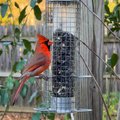
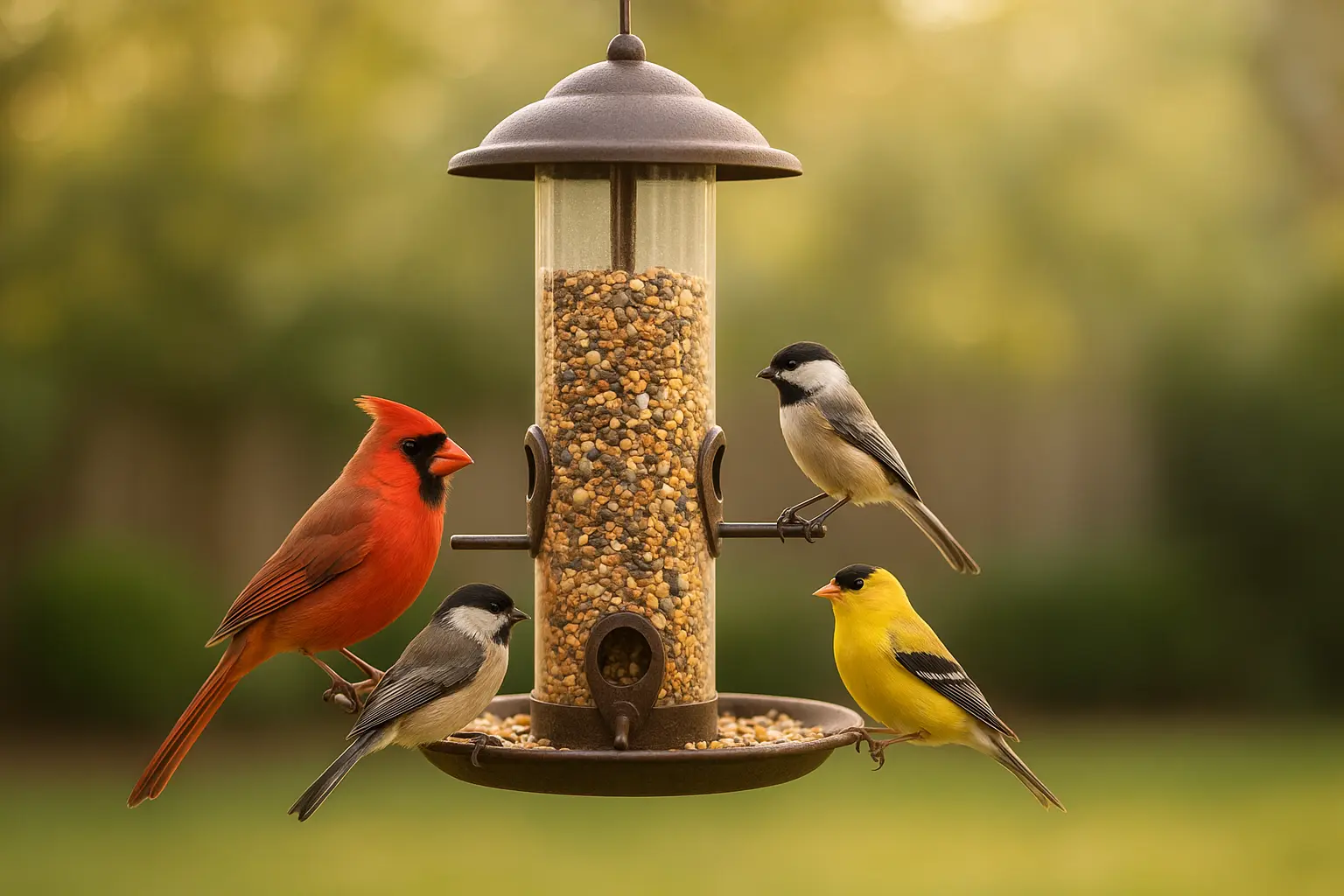
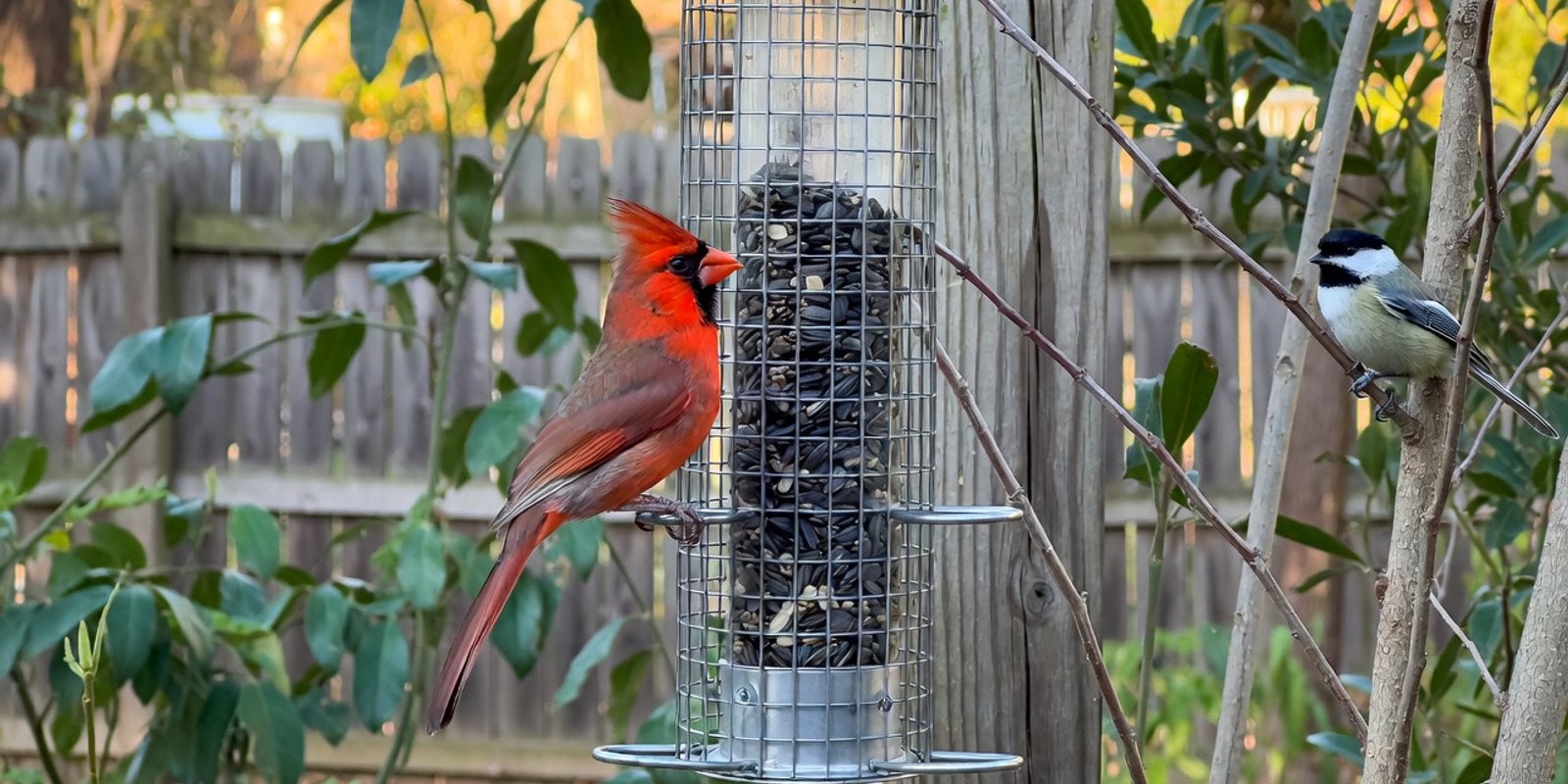
Cardinals are perhaps the most beloved visitors to sunflower feeders. Their strong, cone-shaped beaks crack sunflower shells effortlessly. If you're wondering what do cardinals eat—black oil sunflower seeds are their absolute favorite. You'll often see pairs visiting together, with the bright red male and olive-brown female taking turns at the feeder.
Chickadees are another constant presence at sunflower feeders. These tiny, energetic birds grab a single seed, fly to a nearby branch, and hammer it open with their beaks. They'll cache extra seeds for later, so they're getting even more value from your feeder than you might realize.
Titmice behave similarly to chickadees—taking one seed at a time to a perch for opening. Their crested heads and curious nature make them entertaining to watch.
Nuthatches (both white-breasted and red-breasted) have a unique approach: they wedge sunflower seeds into tree bark crevices and hammer them open from above. Watch for birds going headfirst down tree trunks—that's a nuthatch.
Finches
House Finches are year-round sunflower enthusiasts. Males sport bright red coloring while females are streaked brown. They often feed in groups, so you may see several at your feeder at once.
Goldfinches prefer hulled sunflower hearts (no shell), but they'll work on whole black oil seeds too—especially in winter when their preferred nyjer seed is scarce. In summer, watch for their brilliant yellow breeding plumage.
Purple Finches (the ones with the "dipped in raspberry juice" look) love the high oil content in black sunflowers for building fat reserves during migration.
Other Species
Blue Jays are sunflower regulars, and they'll eat many seeds per visit. They're known to cache seeds for later, actually helping to spread sunflowers around your property.
Woodpeckers (Downy, Hairy, and Red-bellied especially) readily visit tube feeders for sunflower seeds. Their strong beaks make quick work of the shells.
Grosbeaks—both Rose-breasted and Evening—are sunflower fans when they're in the area. Their massive beaks can crack seeds that other birds can't.
Sparrows of various species (Song, White-throated, Chipping) eat sunflower seeds, often preferring fallen seeds on the ground below feeders.
Juncos are primarily ground feeders that appreciate seeds that drop from above. During winter, these "snowbirds" are a common sight beneath sunflower feeders.
Nutritional Benefits of Black Oil Sunflower Seeds
Why do so many birds prefer black oil sunflower seeds? It comes down to nutritional density. These seeds pack more energy per bite than almost any other bird food.
Nutritional breakdown:
- Fat: 40-50% (critical for energy, especially in cold weather)
- Protein: 15-20% (for muscle maintenance and growth)
- Fiber: 15-20% (digestive health)
- Vitamins: B vitamins, vitamin E
- Minerals: Calcium, iron, potassium
During Central PA winters, birds can lose up to 10% of their body weight overnight just keeping warm. High-fat foods like sunflower seeds help them replenish those reserves quickly each morning. This is literally life-saving nutrition for overwintering birds.
Compared to other common bird seeds:
- Millet: Lower fat, good for ground feeders but less nutritious
- Safflower: Similar nutrition but slightly lower fat
- Nyjer: High fat but tiny and specialized for finches
- Corn: High carb, lower fat, best as a supplement
Black oil sunflower seeds offer the best all-around nutrition for the widest variety of birds.
Best Ways to Feed Black Oil Sunflower Seeds
The right feeder makes a big difference in reducing waste and attracting the birds you want to see.
Feeder Types That Work Best
Tube feeders are ideal for black oil sunflower seeds. The enclosed design protects seed from weather, and the perch size limits access to smaller birds. Look for models with metal ports to prevent squirrel chewing. The Squirrel Buster Standard is a highly-rated option with weight-activated squirrel protection.
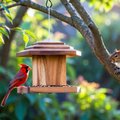
Hopper feeders accommodate more birds at once and hold larger seed quantities. Cardinals especially prefer hoppers because the wide ledge gives them room to land and feed comfortably. These are great for busy backyards with lots of bird traffic.
Platform feeders offer open access for all birds, including ground-feeders that hop up to eat. The downside is more exposure to weather and higher potential for waste. Use these in covered areas or accept that you'll need to clean them more often.
Window feeders attach directly to glass with suction cups, bringing birds up close for amazing views. These work well with sunflower seeds—just keep them stocked frequently since they hold smaller amounts.
Feeding Tips for Success
Keep feeders clean. Wash with a 10% bleach solution every two weeks, or more often in wet weather. Mold and bacteria can grow on seed residue, making birds sick.
Store seeds properly. Keep your supply in a cool, dry place in a sealed container. A metal garbage can with a tight lid works perfectly—it keeps the seed fresh and keeps mice out.
Placement matters. Position feeders near cover (trees or shrubs within 10-15 feet) so birds have escape routes from predators. But keep feeders far enough from branches that squirrels can't jump to them—at least 10 feet horizontally.
Start small. If you're setting up a new feeding station, begin with a small amount of seed. Birds need time to discover new food sources. Once they find it, you can increase capacity.
Hot Pepper Sunflower Bird Seed: Keep Squirrels Away
If squirrels are raiding your sunflower feeders, hot pepper treated seed might be your solution. Products like Cole's Hot Meats coat hulled sunflower with habanero chili—and it works.
How capsaicin works:
- Birds cannot taste capsaicin—they lack the receptors entirely
- Mammals (squirrels, chipmunks, raccoons) find it extremely unpleasant
- The seed is 100% safe and nutritious for birds
Hot pepper sunflower bird seed is completely natural. Capsaicin is found in all hot peppers and has no harmful effects on birds—they eat wild pepper seeds regularly in nature. Squirrels, however, take one bite and quickly learn to avoid your feeders.
This is our specialty at Hot Bird Seed. Our hot pepper blends use high-quality black oil sunflower seeds treated with food-grade capsaicin to naturally deter squirrels without affecting your feathered visitors.
For complete squirrel-proofing strategies beyond hot pepper seed, check out our complete guide to squirrel proof bird feeders.
Common Problems and Solutions
Squirrels Eating All the Seed
This is the number one complaint from backyard birders. Here's your defense strategy:
- Use hot pepper treated seeds (squirrels hate it, birds can't taste it)
- Install a squirrel baffle on your feeder pole
- Try weight-activated feeders that close when something heavy lands
- Follow the 5-7-9 rule: Mount feeders 5 feet high, 7 feet from structures, 9 feet from branches
Shells Piling Up Under Feeders
Sunflower shells are inevitable with whole seeds. Options include:
Switch to sunflower hearts (hulled seeds). No shells means no mess. They cost more but eliminate cleanup entirely. Sunflower hearts are also faster for birds to eat, so you'll see more feeding activity.
Rake shells periodically. Sunflower shells contain compounds that can inhibit plant growth, so don't let them build up in garden beds.
Use a seed tray. Many feeders accept tray attachments that catch falling shells and seeds.
Seed Going Bad or Moldy
Bad seed can make birds sick. Watch for:
Signs of spoiled seed:
- Musty or sour smell
- Clumping or caking
- Visible mold (white, green, or black fuzz)
- Insects in the seed
Prevention:
- Buy appropriate quantities you'll use within 2-3 months
- Store in airtight containers away from moisture
- Use feeders with drainage holes
- Clean feeders regularly
When in doubt, throw it out. Fresh seed is inexpensive compared to potentially harming your backyard birds.
Where to Buy Black Oil Sunflower Seeds
Local bird seed stores (like Hot Bird Seed) offer the freshest option. We know when our seed was harvested and stored, and we turn over inventory regularly. You can also get advice specific to Central PA birds and feeding conditions.
What to look for when buying:
- Check for a harvest date or "best by" date
- Seeds should look plump and shiny, not shriveled
- Smell for freshness—no musty odors
- Avoid bags with excessive dust or broken seeds
Bulk vs. bagged: Bulk is usually more economical if you have proper storage. A 50-pound bag lasts a typical feeder 2-4 months, well within the freshness window.
Avoid old seed from big box stores. Warehouse seeds may have sat for months before reaching the sales floor. Old seed loses nutritional value and may be rejected by birds.
Frequently Asked Questions
Are black oil sunflower seeds safe for all birds?
Yes. Black oil sunflower seeds are universally safe and loved by seed-eating birds. Even birds that don't typically eat at feeders (like robins or bluebirds) won't be harmed if they try one.
Can humans eat black oil sunflower seeds?
Technically yes—they're not toxic. But they're bred for high oil content rather than flavor, so they taste flat compared to the striped "confection" sunflowers grown for human snacking.
How much do black oil sunflower seeds cost?
Prices vary by quantity and quality. Expect to pay roughly $1.50-$2.00 per pound for quality seed in 20-50 pound bags. Smaller bags cost more per pound. Hot pepper treated varieties cost slightly more but save money in the long run if squirrels are eating your seed.
Do black oil sunflower seeds go bad?
Yes. Sunflower seeds stay fresh for 3-6 months if stored properly in cool, dry conditions. Heat, moisture, and time cause oils to go rancid. Always store in sealed containers away from direct sunlight.
What's the difference between black oil and sunflower hearts?
Sunflower hearts are simply hulled black oil sunflower seeds—the shell has been removed. Hearts are more expensive but offer no-mess feeding since there are no shells to clean up. Birds also eat them faster since there's no cracking required.
Recommended Products
Here are some top-rated products for feeding black oil sunflower seeds:
Squirrel Buster Standard – Weight-activated tube feeder that shuts out squirrels while letting birds feed freely. Lifetime warranty against squirrel damage.
Cole's Hot Meats – Hulled sunflower meats infused with habanero. No-mess, no-squirrel feeding.
Backyard Seeds Fiery Surprise – Hot pepper blend with sunflower, peanuts, and pistachios for variety.
Kingsyard Metal Mesh Tube Feeder – Durable metal construction, squirrel-resistant design, easy to clean.
Start Attracting More Birds Today
Black oil sunflower seeds are the single best investment you can make for your backyard bird feeding station. They attract the widest variety of species, provide essential nutrition year-round, and are easy to use in almost any feeder type.
If you're dealing with squirrels, try our hot pepper sunflower blends—the birds love them just as much, but squirrels quickly learn to look elsewhere.
Ready to see more cardinals, chickadees, and finches in your backyard? Stop by Hot Bird Seed for fresh, locally-sourced black oil sunflower seeds and expert advice for Central PA bird feeding.